




The Most Effective Way to Heal Dry and Cracked Heels
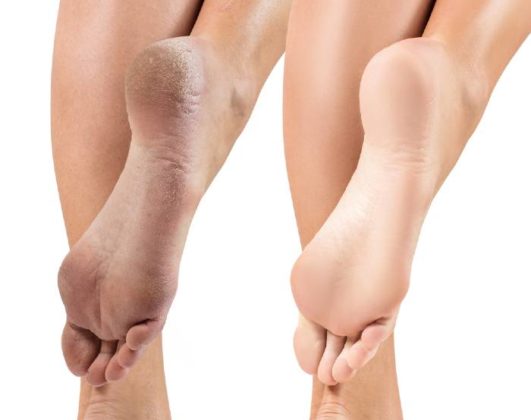
Dry and cracked heels are a common and often painful foot problem that many people experience. The skin on the heels is naturally thicker than other parts of the body, but it can become dry, rough, and cracked when it loses moisture and elasticity. This condition can cause discomfort while walking, make wearing shoes painful, and if left untreated, may even lead to infections. Fortunately, there are several effective ways to heal dry and cracked heels, many of which can be done easily at home with simple ingredients and a consistent care routine.
Understanding the Causes of Dry and Cracked Heels
Before diving into treatment methods, it is important to understand why heels become dry and cracked. The skin on the feet is exposed to constant pressure, friction, and environmental factors. When the skin loses moisture or is subjected to excessive pressure, it hardens and can split, creating cracks. Some common causes include:
Lack of Moisture: Dry skin lacks the natural oils and hydration needed to maintain softness and flexibility.
Prolonged Standing: Spending long hours standing or walking, especially on hard surfaces, increases pressure on the heels.
Improper Footwear: Shoes that do not support the heels properly or open-back shoes like sandals cause the skin to dry out and crack.
Aging: As we age, the skin naturally loses collagen and elasticity, making it more prone to dryness and cracks.
Medical Conditions: Conditions such as diabetes, eczema, psoriasis, and hypothyroidism can contribute to dry skin and heel cracks.
Environmental Factors: Cold weather, low humidity, and hot showers can strip the skin of moisture.
Step-by-Step Guide to Healing Dry and Cracked Heels
1. Soaking Your Feet
Start by soaking your feet in warm water for about 15 to 20 minutes. You can add Epsom salts, mild soap, or a few drops of essential oils such as tea tree or lavender to the water. Soaking helps to soften the hardened skin, making it easier to exfoliate. Avoid soaking for too long, as it can cause the skin to become overly soft and prone to injury.
2. Exfoliation
After soaking, use a pumice stone, foot file, or gentle scrub to remove dead and rough skin from your heels. Rub gently in circular motions, focusing on the cracked areas. This process removes thick calluses and helps reveal fresh, healthy skin beneath. Avoid aggressive scrubbing, which can worsen the cracks or cause bleeding.
3. Moisturizing
Applying a rich moisturizer is essential to heal dry heels. Look for creams or balms containing ingredients like urea, glycerin, shea butter, coconut oil, or lanolin. These components deeply hydrate and nourish the skin, helping to restore its softness and flexibility. Apply moisturizer generously after exfoliation and again before bedtime.
4. Using Natural Oils
Natural oils can complement moisturizers by sealing in hydration and promoting skin repair. Coconut oil, olive oil, almond oil, and jojoba oil are excellent choices. They contain fatty acids and antioxidants that soothe the skin and help heal cracks. Massage a few drops into your heels daily, especially at night.
5. Overnight Treatment with Socks
For maximum absorption, apply moisturizer and oils before going to sleep and wear a pair of clean cotton socks overnight. The socks help lock in moisture and protect the feet from dust and friction while you rest. This simple step can greatly improve the healing process.
6. Avoiding Harsh Conditions
Try to avoid walking barefoot on hard surfaces and steer clear of hot water showers that can dry out the skin further. Wear comfortable, closed-back shoes that cushion your heels and reduce pressure. When possible, use padded insoles or heel cups for added comfort and protection.
Lifestyle Changes and Additional Tips
Stay Hydrated: Drinking plenty of water keeps your skin hydrated from the inside out. Aim for at least 8 glasses of water daily.
Balanced Diet: Eating foods rich in vitamins A, C, E, and omega-3 fatty acids supports skin health and repair. Include fresh fruits, vegetables, nuts, and fish in your diet.
Regular Foot Care Routine: Make foot care a regular part of your hygiene. Inspect your feet daily for any signs of cracks, dryness, or infection.
Avoid Harsh Soaps and Detergents: These can strip away natural oils and worsen dryness. Use mild cleansers designed for sensitive skin.
Wear Socks Made of Natural Fibers: Cotton or bamboo socks allow your feet to breathe and reduce moisture buildup, which can cause skin irritation.
When to See a Doctor
If your heel cracks are deep, bleeding, painful, or showing signs of infection such as redness, swelling, or pus, it is important to seek medical advice. People with diabetes or circulation problems should be especially cautious, as foot wounds can lead to serious complications. A healthcare professional may recommend prescription creams, antibiotics, or other treatments.
Home Remedies to Try
Honey: Known for its antibacterial and moisturizing properties, honey can be applied to cracked heels and left on for 20-30 minutes before rinsing off.
Aloe Vera: Aloe vera gel soothes irritated skin and accelerates healing. Apply fresh gel to your heels twice daily.
Vaseline and Lemon Juice: Mix equal parts of Vaseline and lemon juice and apply to cracked heels. The lemon’s acidity helps exfoliate while Vaseline locks in moisture.
Banana Mask: Mash a ripe banana and apply it as a mask on your heels for 15-20 minutes to hydrate and nourish.
Prevention is Better Than Cure
Preventing cracked heels is easier than treating them. Consistent foot care, moisturizing regularly, wearing proper footwear, and maintaining good overall health will help keep your heels smooth and healthy. Avoid habits like excessive standing, wearing open shoes for long periods, and neglecting foot hygiene.
Conclusion
Healing dry and cracked heels requires patience, consistency, and care. By following a simple routine that includes soaking, exfoliating, moisturizing, and protecting your feet, you can restore softness and comfort. Natural oils and home remedies can speed up recovery, while lifestyle adjustments help prevent future problems. If the condition worsens or does not improve, consult a healthcare professional to rule out underlying issues. With these effective steps, your heels will feel healthy, smooth, and pain-free again.